

Transitioning from a Prospective Marriage visa to a Partner visa is an exciting milestone but it can also bring a few nerves, especially when it comes to timing your wedding and next visa steps. Many couples wonder when they should get married, how long they have to get married, and what happens if plans change.
This guide walks you through everything you need to know. From the best time to marry under your Prospective Marriage visa, to how your wedding date affects your Partner visa application. You’ll also find simple, practical steps to help you move smoothly from engagement to marriage to permanent residency, all while keeping your special day stress-free and meaningful. Let’s explore transitioning from a Prospective Marriage Visa to a Partner Visa!
Key Takeaways:
- The Prospective Marriage visa gives you nine months to marry in Australia. Plan your date with buffer time.
- You can marry anytime during that nine-month window. Choose a date that fits your life, family and visa tasks.
- Timing depends on work, travel, health checks and collecting evidence for the Partner visa application.
- Start preparing Partner visa documents early. I help clients gather evidence and lodge quickly after marriage.
- Your wedding should be meaningful. Registry ceremonies and traditional celebrations both meet visa needs.
- Missing deadlines can potentially cause visa problems. Track visa dates and application timelines carefully.
- Sellanes Clark can guide your timing and paperwork so you enjoy your wedding and stay visa-compliant.
Moving from a Prospective Marriage Visa to a Partner Visa can feel complex — especially when timing and eligibility are on the line. At Sellanes Clark Immigration Law Specialists, we guide couples through every stage of the transition to ensure a smooth path to permanent residency. Visit our website to see how we can help you take the next step with confidence.
Understanding the Prospective Marriage Visa
What is a Prospective Marriage Visa (PMV)?
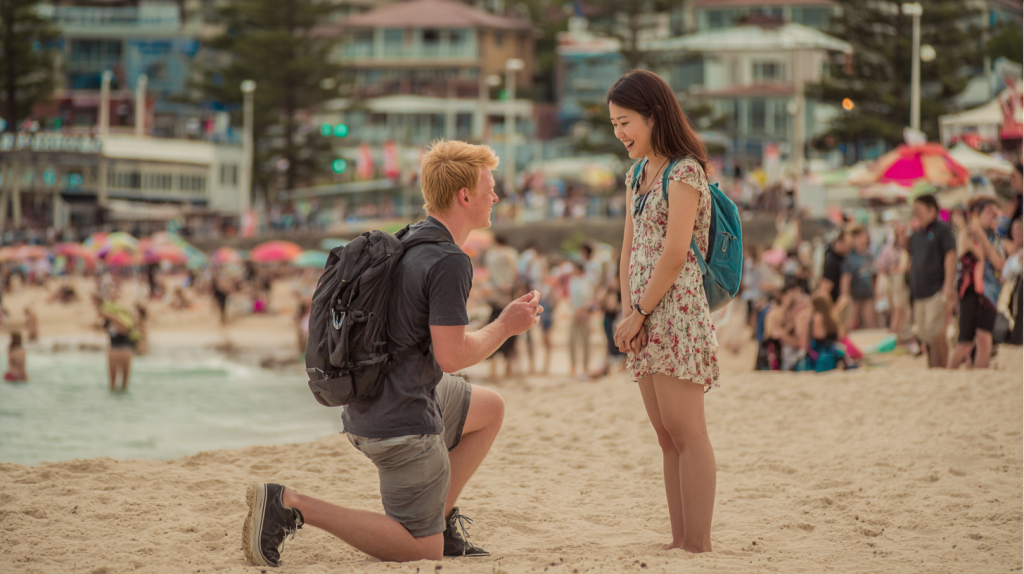
The Prospective Marriage Visa (subclass 300) lets you enter Australia to marry your sponsor within nine months. You use it if you’re engaged to an Australian citizen, permanent resident or eligible New Zealand citizen. It gives you time to plan the wedding and apply for a Partner visa after you marry.
Key Requirements for the Prospective Marriage Visa
You must show a genuine intention to marry within the visa period, meet health and character checks, and have an eligible sponsor who meets sponsor obligations. You also need to be outside Australia when you apply and usually when the visa is decided. Evidence of your relationship is required.
The Migration Regulations require you to demonstrate a genuine commitment to marry. Practical evidence includes engagement photos, messages, joint travel tickets, wedding plans, and statutory declarations from family. Financial records, shared plans, or proof of meeting in person strengthen your case. From my experience, clear, organised documents make processing smoother.
Duration and Limitations of the PMV
The PMV is valid for 9-15 months from the date you first enter Australia on that visa. You must marry within that period to transition to a Partner visa. The visa is temporary and mainly permits entry to marry; some services or benefits may be limited until you hold a Partner visa.
In practice, if you marry while on the PMV you can usually lodge the Partner visa onshore and obtain a bridging visa to stay while it is assessed. If you do not marry within the Permission to apply (PTA) period, you will generally need to leave Australia or seek another lawful pathway. I advise planning early so wedding choices and visa timing align without added stress.
Transitioning to a Partner Visa
What is a Partner Visa?
A Partner visa lets you stay in Australia after you marry or live with your partner. It usually starts as a temporary visa that leads to permanent residence. You apply as the spouse or de facto partner, and the application tests your relationship, shared life, and plans together.
Eligibility Criteria for the Partner Visa
You must show you and your partner have a genuine, ongoing relationship. Evidence can include joint bank accounts, shared bills, photos, travel together, or a household lease. If you married, provide your marriage certificate. If de facto, show two years of living together or strong compensating factors.
I’ve helped many couples assemble clear evidence quickly. Provide at least 6–12 strong documents from different areas of life including financial, social, household, and commitments to each other. If you have children together, property in both names, or long trips taken as a couple, these items weight the case heavily. The Migration Regulations require you to prove the relationship is genuine and continuing when you lodge.
Key Differences Between PMV and Partner Visa
The Prospective Marriage Visa (PMV) lets you enter Australia to marry within 9-15 months. The Partner visa is lodged after marriage and assesses your relationship for ongoing residence. PMV is about entry to marry, and the Partner visa is about staying long term with your spouse.
Practically, the PMV has a strict 9-15 month window and fewer relationship proofs since marriage is pending. The Partner visa requires deeper evidence of commitment and cohabitation, and it triggers health and character checks. For example, a couple who married in month eight of the PMV will need to quickly compile two years of joint documents or strong alternative evidence to satisfy the Partner visa decision-maker.
Timing Your Wedding
Factors to Consider When Choosing a Wedding Date
Check your PMV expiry date first and count the 9-15 months from grant. Think about document gathering, booking a celebrant, venue availability and family travel. Examples: overseas police checks can take 4–12 weeks and venues book quickly.
- PMV expiry and how many months remain
- Time for police checks, translations and health checks
- Venue and celebrant availability
- Family travel time and quarantine rules
- Costs and peak-season prices
I recommend allowing at least 4–6 weeks after the ceremony to prepare your Partner visa application and collect evidence.
Importance of the 9-15 Month PMV Window
The PMV gives you 9-15 months from the visa grant date to marry. You must marry in that window to convert to the Partner visa pathway. Missing it can force you to apply offshore or leave Australia, so plan with time to spare.
From my experience, couples who aim for months three to six find a good balance between celebration and paperwork. One client married at month eight and still collected police checks and translations without stress. Another waited to the final weeks and rushed statutory declarations, costing time and money. Aim to finish the ceremony with several weeks left to lodge the Partner visa application.
Balancing Personal Circumstances and Visa Requirements
Weigh your family needs, work rosters, savings and any travel limits when picking a date. You can opt for a small registry wedding if time is tight, or a larger cultural ceremony later. Choose what keeps your day meaningful while meeting visa timing.
You must lodge a Notice of Intended Marriage at least one month before a ceremony in Australia, so factor that into your timeline. Start by booking a celebrant and ordering police checks (4–12 weeks), translations (2–4 weeks) and any medical exams. I often tell couples to lock the date first, then begin paperwork immediately to avoid last-minute stress.
Even minor delays or incorrect timing can cost couples thousands during the transition process. With over 20 years of experience in Australian immigration, Carlos Sellanes and his team provide clear, practical advice to help you move seamlessly from engagement to permanent partnership. Learn more about our proven visa support by visiting our website today.
Types of Weddings for Visa Purposes
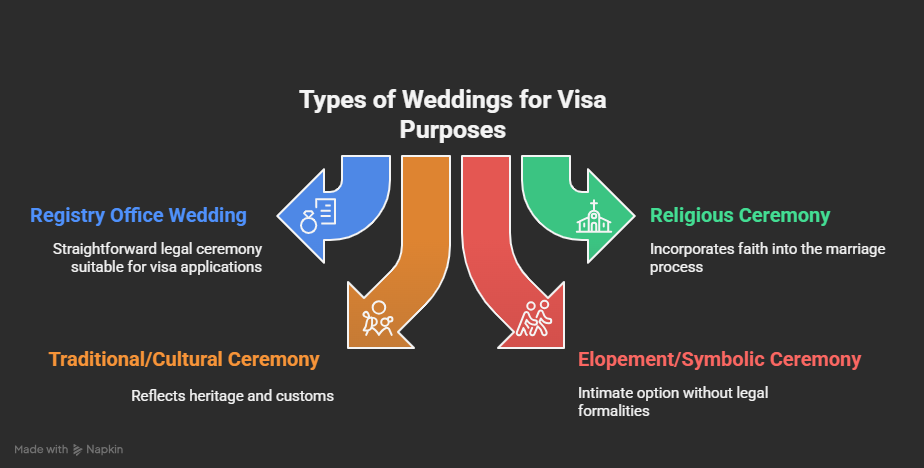
| Type | Visa relevance |
| Registry office (civil) | Provides an official marriage certificate the Department accepts as primary evidence. |
| Religious ceremony | Accepted if the marriage is also legally registered; get clergy statements and certificates. |
| Traditional / cultural ceremony | Valid when paired with legal registration; collect photos, witness statements, and community letters. |
| Elopement or symbolic ceremony | Works if you complete formal registration; keep detailed evidence like travel receipts and photos. |
- Registry office weddings give clear documentary proof.
- Religious rites need accompanying legal registration to satisfy visa officers.
- Traditional ceremonies require extra supporting evidence: witnesses, photos, and statements.
- Symbolic or elopement weddings are acceptable only with proper legal registration.
Registry Office Weddings
A registry office wedding gives you the legal marriage certificate you need for a Partner visa. You should book early because some registries need weeks’ notice. Bring ID and any required documents to the ceremony. I recommend couples keep the original certificate and make certified copies for the visa file.
Traditional Ceremonies and Beyond
Your traditional ceremony can carry deep meaning for family and culture. It will help your Partner visa application when paired with legal registration. Gather clear photos, dated invitations, and signed witness statements. Keep any community leader letters and have translations if needed.
In my experience helping couples, a well-documented cultural wedding often includes at least three independent witness statements, a signed statement from a community elder, timestamped photos, and a short video of key rituals. You should also include booking receipts for venue and services. This layered evidence makes your relationship and ceremony easy to verify for immigration officers.
Cultural and Religious Considerations
Ceremonies in different faiths follow varied steps and timelines. You must check whether that ceremony also creates a legal marriage in your country. Collect clergy letters, religious registration papers, and translated documents to support your Partner visa claim.
For example, I guided a couple with a Hindu ceremony who registered their marriage at the local civil office within two weeks. They provided the priest’s letter, three witness statements, and clear photos showing the ritual and guests. That mix of civil and religious documentation made their Partner visa process straightforward. If civil registration will take time, create a clear timeline and gather intermediary evidence like receipts and venue contracts.
Perceiving these distinctions helps you choose the ceremony that fits your family while keeping your Partner visa path clear.
Tips for a Smooth Transition
- Start gathering documents early—especially ID, police checks and translations.
- Set your wedding date with time to lodge the Partner visa before your PMV ends.
- Keep clear, dated evidence of your relationship: messages, photos, bills.
- Get statutory declarations from friends or family who know your relationship.
- Use a checklist and make certified copies of everything you submit.
Preparing Early for Your Partner Visa Application
Begin preparing at least six to eight weeks before your planned wedding. Create a simple checklist of ID, relationship proof and sponsor documents. Book police checks and any medical exams early. Small steps now save stress later and make lodging smoother if processing times change.
Documentation You Will Need
Collect certified ID (passports, birth certificates), your marriage certificate after the ceremony, evidence of your shared life (photos, joint accounts, leases), police checks and any translated documents. Also gather statutory declarations from two people who can confirm your relationship.
Include notarised copies or certified photocopies of originals, and ensure translations meet Australian standards. The Migration Regulations require certified identity documents in many cases. I’ve seen couples miss a required police check or forget to certify a document. Common relationship evidence that works includes joint bank statements over six months, a joint lease, travel records showing trips together, and photos with family events dated across time.
Common Mistakes to Avoid
Avoid late lodgement, unsigned forms, uncertified copies and weak relationship evidence. Don’t rely on a single type of proof. Plan for translations and extra time for any document issues so you don’t rush the process at the last minute.
Many clients submit blurry scans, unsigned statutory declarations or only social media as proof. I often advise couples to balance financial records, communications and third-party statements. If your wedding is close to the PMV expiry, lodge early or seek professional help to avoid gaps that could affect your lawful stay.
Knowing how to organise documents, certify papers and present clear relationship evidence takes the pressure off your wedding day and keeps your visa pathway on track.
Pros and Cons of Different Wedding Options
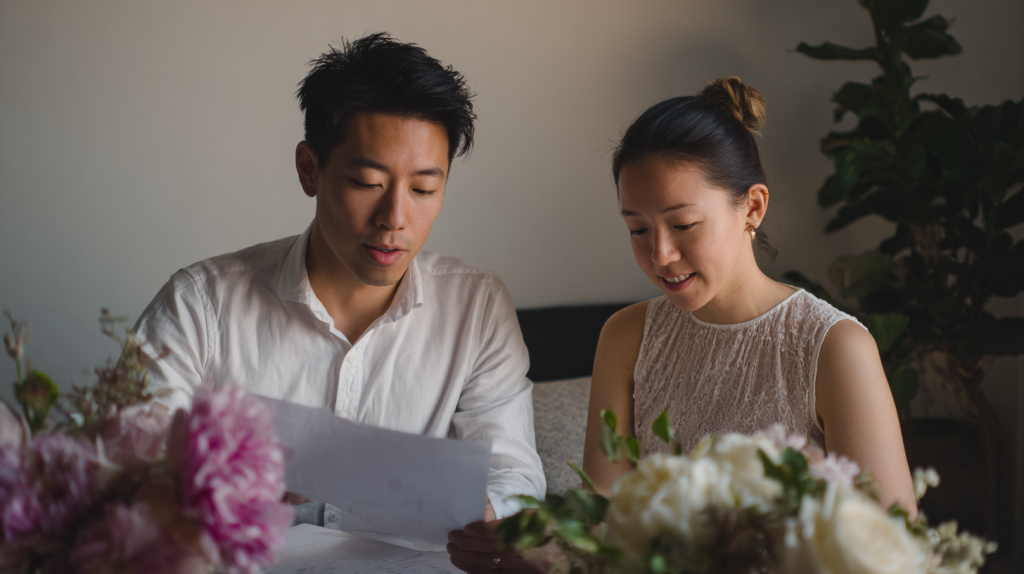
| Pros | Cons |
| Fast to arrange, so you can marry well within your PMV period. | Rushed plans can feel impersonal and leave guests disappointed. |
| Lower cost for venue, catering and vendors. | Large traditional ceremonies cost more and take months to organise. |
| Marriage certificate issued quickly, aiding Partner visa paperwork. | Delaying a ceremony may create anxiety about meeting visa timelines. |
| Less planning stress lets you focus on visa logistics. | Family expectations and cultural rituals may be hard to postpone. |
| You can hold a registry now and a bigger celebration later. | Two events mean extra cost, more coordination and possible guest confusion. |
| Easier to gather documentary evidence of marriage quickly. | A delayed ceremony can make proving continuous commitment look more complex. |
| Good option if one partner has limited time in Australia. | Traveling guests may struggle to attend two separate events. |
| Registry weddings minimise venue booking risks close to deadlines. | Changing cultural or religious plans later can be emotionally taxing. |
Pros of a Quick Registry Wedding
You marry quickly and secure the legal certificate you need for the Partner visa. That certificate is clear evidence of marriage and is usually issued within days. You save money and stress. You also free up time to prepare the Partner visa application and plan a later celebration that reflects your culture and family.
Cons of a Traditional Ceremony Delayed
Delaying a big traditional ceremony can upset family expectations and create emotional strain. You may feel pulled between meeting visa timelines and honouring cultural practices. That tension can add stress to wedding planning and to your relationship during the PMV period.
In my experience, couples who postpone a full ceremony need a clear plan. Set firm dates and budgets for both the legal marriage and the later celebration. The Migration Regulations require you to marry within your visa validity, so plan the registry to protect your immigration position. I’ve helped couples use a registry first, then a larger cultural event six to twelve months later. That approach keeps elders involved and keeps your Partner visa pathway on track.
Finding the Right Balance for Your Relationship
You can balance visa needs and tradition by splitting legal and celebratory elements. Many couples marry at the registry to meet the PMV window, then host a ceremony later when family can attend. This gives you both legal security and a meaningful cultural event.
Start by listing non-negotiable rituals and who must attend. Then choose which must happen before your Partner visa lodgement and which can wait. For example, register the marriage within the nine-month PMV window, then plan a weekend cultural ceremony 6–12 months later. I’ve guided couples through this plan with clear timelines, vendor checklists and examples of evidence to keep for their Partner visa application.
Summing up
From above, you see the Prospective Marriage visa gives you 9-15 months to marry. Plan your timing around family expectations and evidence gathering. Watch visa milestones so you do not miss deadlines that could affect your stay. With careful preparation and good advice, you can protect your immigration path while keeping your wedding meaningful. If you want to make the whole journey far simpler, engage an Immigration Law Specialist who can help guide you and keep you on track.
Your journey together doesn’t end with the wedding — it continues through your Partner Visa. Since 2003, Sellanes Clark Immigration Law Specialists has helped couples across Australia successfully transition from a Prospective Marriage Visa to permanent residency. To ensure your next step is handled with care and precision, visit our website now.
FAQ
Q: When must we marry on a Prospective Marriage visa?
A: Ideally you marry within the 9-15 month PMV period to apply for a Partner visa onshore. The timing depends on travel, family plans and evidence gathering. Begin planning early, booking ceremonies and documents so you can lodge the Partner visa application promptly after marriage to avoid problems.
Q: Can we marry right before the PMV expires?
A: You can marry at the very end of the 9-15 month window, but late weddings risk rushed paperwork and missed deadlines. If you marry close to expiry, gather evidence first and book your Partner visa lodgment quickly.
Q: Should we marry earlier to show commitment?
A: Marrying earlier can show a clear intent to build life together, but timing must suit your relationship and document readiness. Early marriage makes Partner visa filing easier if evidence is ready. I often advise couples to focus on strong relationship proof alongside the wedding day itself for best outcomes.
Q: Does the partner visa require a formal ceremony?
A: The Partner visa does not demand a big ceremony. A civil registry marriage, a religious service or a small family ceremony all work if properly registered and evidenced. Focus on getting a legally valid marriage and collecting official certificates and photos to prove the marriage for the Partner visa application.
Q: How long after marriage should we apply for Partner visa?
A: You should lodge the Partner visa as soon as you have marriage evidence and other documents ready. Some couples apply within weeks, others take months to compile proof. I suggest preparing documents early so filing can happen quickly after marriage, reducing the risk of technical delays.
Q: What evidence is best to show genuine relationship?
A: Strong evidence includes shared bills, joint bank accounts, photos, messages, travel records and affidavits from friends and family. Official registration of your marriage and the marriage certificate are central. Collect clear, dated items that show ongoing life together, not just isolated moments.
Q: What if we miss the PMV deadline?
A: If you miss the 9-15 month PMV window without marrying, you may need to leave Australia and apply offshore for a Partner visa, which adds time and cost. In some cases bridging solutions or waivers help, but outcomes vary.
Author Bio
Carlos Sellanes is the founder and principal of Sellanes Clark Immigration Law Specialists, an Australian firm established in 2003. Before launching the practice, Carlos spent more than two decades with Australia’s Department of Immigration, gaining unmatched insight into migration law and policy. Today, he leads a team recognised among the Top Ten Immigration Law Firms in the Asia-Pacific, offering expertise across skilled, family, and corporate visa categories. Through his blogs, Carlos shares practical updates and professional guidance to help clients navigate the complexities of Australian immigration with confidence. Learn more about Sellanes Clark Immigration Law Specialists.


